
We Belong Here Miami 2026: The 3-Day Edition Review (Is It Worth It?)
Let me start with the verdict because I know that’s what you came here for: yes, the 3-day format works. Actually, it more than works. We Belong Here Miami going from two days to three is one of the best moves a festival can make when it’s already doing everything else right.
This was my fourth year at We Belong Here and the festival’s fifth anniversary. I’ve watched this thing grow from a local favorite into something that people are now flying in from Texas, New York, and beyond to experience. The move to three days solidified it as a proper destination festival, and somehow they pulled it off without losing the thing that makes We Belong Here special in the first place: the vibes.
If you’ve never been, We Belong Here takes place on Virginia Key, which is a small island right next to downtown Miami. The festival literally happens on the beach. Sunset over the water with music in the background is the kind of thing that makes you forget you’re at a festival and just feel grateful you showed up.
So here’s the full breakdown. What the three-day expansion actually felt like, whether you should go all three days or just pick one, and everything else you need to know if you’re thinking about going next year.
| 💰 Pricing: I went all three days. Friday I had a Platinum pass (gifted, retail $400 for 3-day VIP). Saturday I bought Gold Admission for $114.99. Sunday I got Gold with First Hour Arrival for $94.99. Compare that to previous years: 2-day Gold tickets used to start around $180 to $240+. This year you could do two days for roughly the same price, or add a third day and still come out feeling like you got value.If you’re deciding between going all three days or just one: all three is the move if you can swing it. But if budget or schedule limits you to one night, I’ll tell you which one to pick by the end of this. |
Friday: Opening Night Energy
I got there right when the gates opened because in previous years, traffic to Virginia Key has been genuinely bad. Like, hour-and-a-half-to-drive-fifteen-minutes bad. This year? No traffic. At all. Whatever they changed in terms of logistics, it worked.
There was a line to get in, which I’d never seen at We Belong Here before, but that was only because I arrived the second the gates opened, and people had already started queuing. Once you were past security, the vibe was immediately what WBH does best: excited but not chaotic, scenic but not pretentious, everyone just genuinely hyped to be there.
One thing I did not expect: the number of solo travelers. I met someone in line who flew in from Texas by herself, and we ended up spending most of Friday, Saturday, and Sunday together. She introduced me to a group of about fifteen solo ravers who had all met in a group chat and were meeting in person for the first time at the festival. That energy, people willing to show up alone and immediately form community, is peak WBH. She was kind enough to let me throw my merch in her locker, so I didn’t have to carry it all night, which is the kind of thing that happens at this festival that just doesn’t happen everywhere else.
Friday’s highlight was Elderbrook. First time seeing him and his set absolutely blew me away. Lost Frequencies, Bakermat, and Kaskade’s Redux set were all exactly what you’d want them to be, but Elderbrook was the one I’m still thinking about.
Saturday: The Day Everyone Showed Up For
Saturday opened with rain. Not a drizzle. Actual rain. The festival was supposed to open at 5 pm, and it rained right through that window, but by 6 pm it cleared up, and I was able to get in before sunset. And if you know WBH, you know the sunset is half the reason you go. The sky over Virginia Key during golden hour is undefeated.
This was the day with the most people, the most energy, and the stacked lineup everyone had been waiting for. It’s also the day the brand activations really stood out. Cornbread was handing out samples of their THC seltzers. BeatBox had four different flavors, including their new Strawberry Kiwi, which was genuinely delicious, plus they were giving out BeatBox sprouts, fans, and a station where you could customize glasses with BeatBox charms. Spked Ade was there too, which is basically vodka seltzer with electrolytes, so you can hydrate while you drink. It’s like Gatorade met vodka and decided to sponsor your good decisions.
In the Platinum lounge they were pouring Six Eight Nine red and white wines, which we got to sip while hanging out in the 360 Stage area. That’s the kind of low-key luxury that makes VIP worth it at this festival. You’re not just paying for shorter bathroom lines. You’re paying for the ability to sit down with a glass of wine and watch a sunset set.
Speaking of which: Lane 8 played that sunset set, and it was the perfect tone-setter for the night. Then Kevin De Vries absolutely destroyed the main stage. Hands down my favorite set of the night. After that I caught Devault at the Lost Village stage and he dropped his unreleased track with John Summit and Julia Church called ‘Shades of Blue.’ If you know, you know. That track is euphoric and hearing it live before it’s officially out is the kind of moment you go to festivals for.
We closed the night with D.O.D. and then Chris Lake at the 360 Stage. Chris Lake never disappoints, so that was the perfect way to end Saturday.
One thing I have to call out: getting an Uber after the festival was way easier than in previous years. I don’t know what they did differently but the combination of no traffic getting there and easy rideshares leaving is a logistics win that makes a huge difference when you’re deciding whether to go back the next day.
Sunday: Rain, Floods, and a 3-Hour Tiësto Set Anyway
Sunday started with a torrential downpour. Not rain. A downpour. The kind where the festival organizers had to delay entry until after 4pm because it wasn’t safe to open. The original gate time was 3pm, so by the time they let people in, the line was long. I heard someone say it took them an hour to get through. Luckily the Platinum pass line was basically nonexistent so I walked straight in, but I felt for everyone else.
There was flooding. At the entrance, at the main stage entrance, puddles everywhere. The event organizers brought in water pump trucks and rerouted the walkways so you didn’t have to wade through standing water. Honestly, I have to applaud the quick thinking. A lot of festivals would have just let people deal with it. WBH actually solved the problem before Tiësto’s 6pm set.
And then the skies cleared. We got one final perfect sunset as Tiësto walked out and opened with ‘Bring Me To Life.’ If you were there for that moment, you know how magical that felt. Sunset, clear skies, Tiësto starting a three-hour set. That’s festival magic.
I got hungry mid-set and went to check out the Smorgasbord food area. I’d had the chicken fingers from Coney Burger on Saturday and they were so good I just got them again. I don’t know what they dust those things with but they’re flavorful with the right amount of crisp, and after two full days of dancing, sometimes you just need something that hits the spot without thinking too hard about it.
I caught Gaeb & Mejias at the Beach Stage throwing down an incredible afrohouse set, then went back to Tiësto who played bangers, trance, and even some techno. As a techno fan, I was very pleased with this. After Tiësto came RØZ, which surprised me. First time seeing them and they were amazing. And then Gorgon City closed out the entire three-day weekend. The vibes were high. The energy was there. Despite the rain at the start, Sunday ended exactly how it should have.
So, Should You Go All Three Days?
Yes.
Here’s why: the three-day format doesn’t just give you more time at the festival. It gives you more time to actually be part of the community. You run into the same people across multiple nights. Friendships that start on Friday get deeper by Sunday. The festival stops feeling like an event you attended and starts feeling like a place you belonged to for a weekend.
The crowd was a mix. Locals tended to go one or two days. People who flew in went all three. But the vibe stayed consistent across all three nights, which is rare. Some festivals lose energy on day three. WBH kept it.
If I had to rank the nights by energy: Saturday was the highest, Sunday was second because everyone was hyped for Tiësto, and Friday was third. But that ranking doesn’t mean Friday wasn’t great. It just means Saturday and Sunday had a little more momentum. If you can only go one night, go Saturday. But if you can do all three, do all three.
| ✅ The Bottom Line: The 3-day expansion worked. We Belong Here is now a destination festival without losing its soul. Logistics were significantly better than in previous years. No traffic, easy Ubers, quick problem-solving when the weather hit. The vibes are still unmatched. This is the best crowd energy of any Miami festival. Pricing is fair. You can do all three days for what two days used to cost, or pick one night and still feel like you got the full experience. Would I do all three days again next year? Absolutely. |
Final Thoughts
We Belong Here Miami is one of those festivals that reminds you why you go to festivals in the first place. It’s not about the biggest production or the most famous headliners. It’s about music on a beach at sunset with people who genuinely want to be there. The move to three days didn’t change that. It just gave us more time to live in it.
If you’ve been thinking about going, go. If you’ve been before and you’re wondering if the three-day format is worth coming back for, it is. And if you’re reading this in February planning your Miami festival season, start here. This is the one.
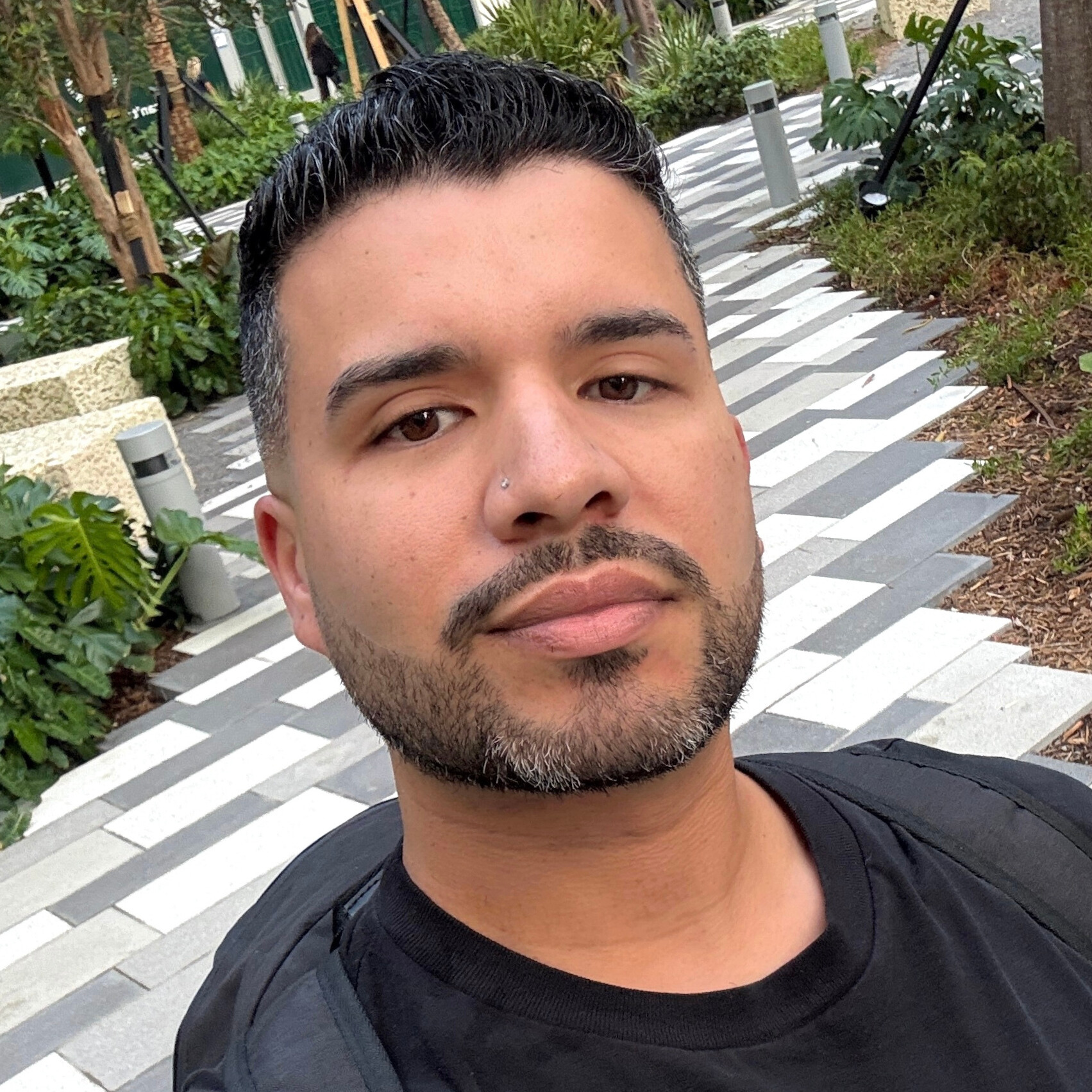
I’m Luis, the person behind The Louey D Experience. I’ve been going to festivals since 2007 and pretty much plan my life around music, travel, and the friends I meet along the way. This blog is where I share the festival stories, itineraries, and lessons that pushed me to live life by the beat, so you can feel inspired to do the same.